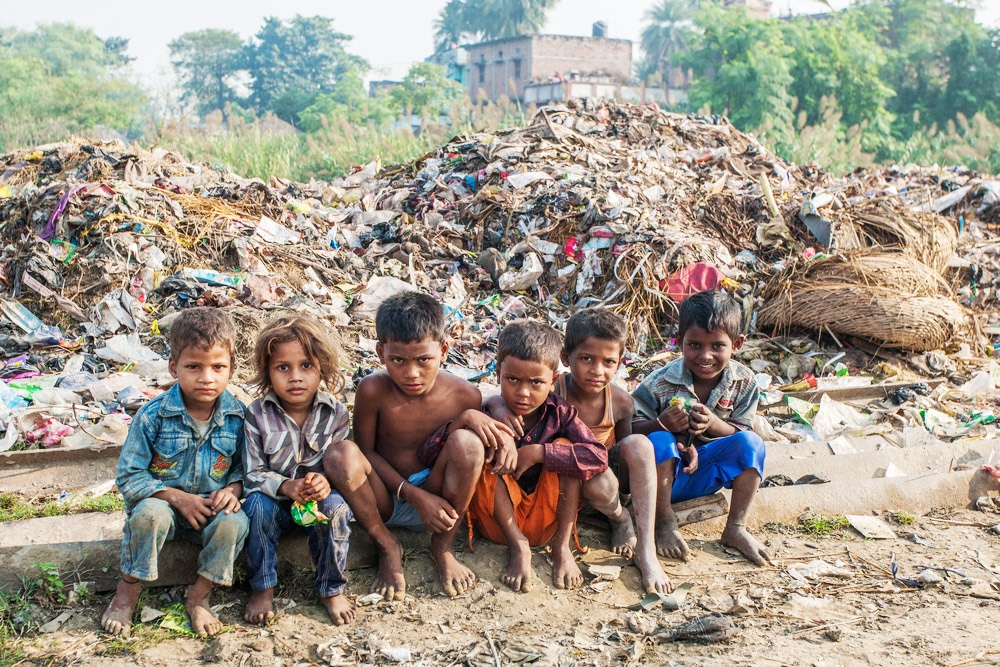
Million children worldwide of primary school age were not in school.
Million young children do not develop at similar levels as their non-poor peers.
Million children live in extreme poverty worldwide.




Disparities have been created through histories of discrimination and opportunity denial, and they dissipate slowly.
- Population Studies Center and Survey Research Center
The child poverty rate for blacks and Hispanics is more than double the rate for whites and Asians. Higher unemployment rates and lower earnings contribute to the gap.
- National Geographic
Inequality causes harmful and lasting consequences that can manifest as:
Unequal opportunities translate into unequal outcomes by the time children reach the age of five. - Project Syndicate
"Low family income can impede children’s cognitive development and their ability to learn. It can contribute to behavioral, social and emotional problems, and it can cause and exacerbate poor health as well. Research has consistently shown that ongoing exposure to economic stress and hardship harms child development: parents invest less in their kids and experience higher levels of stress. - PBS Frontline